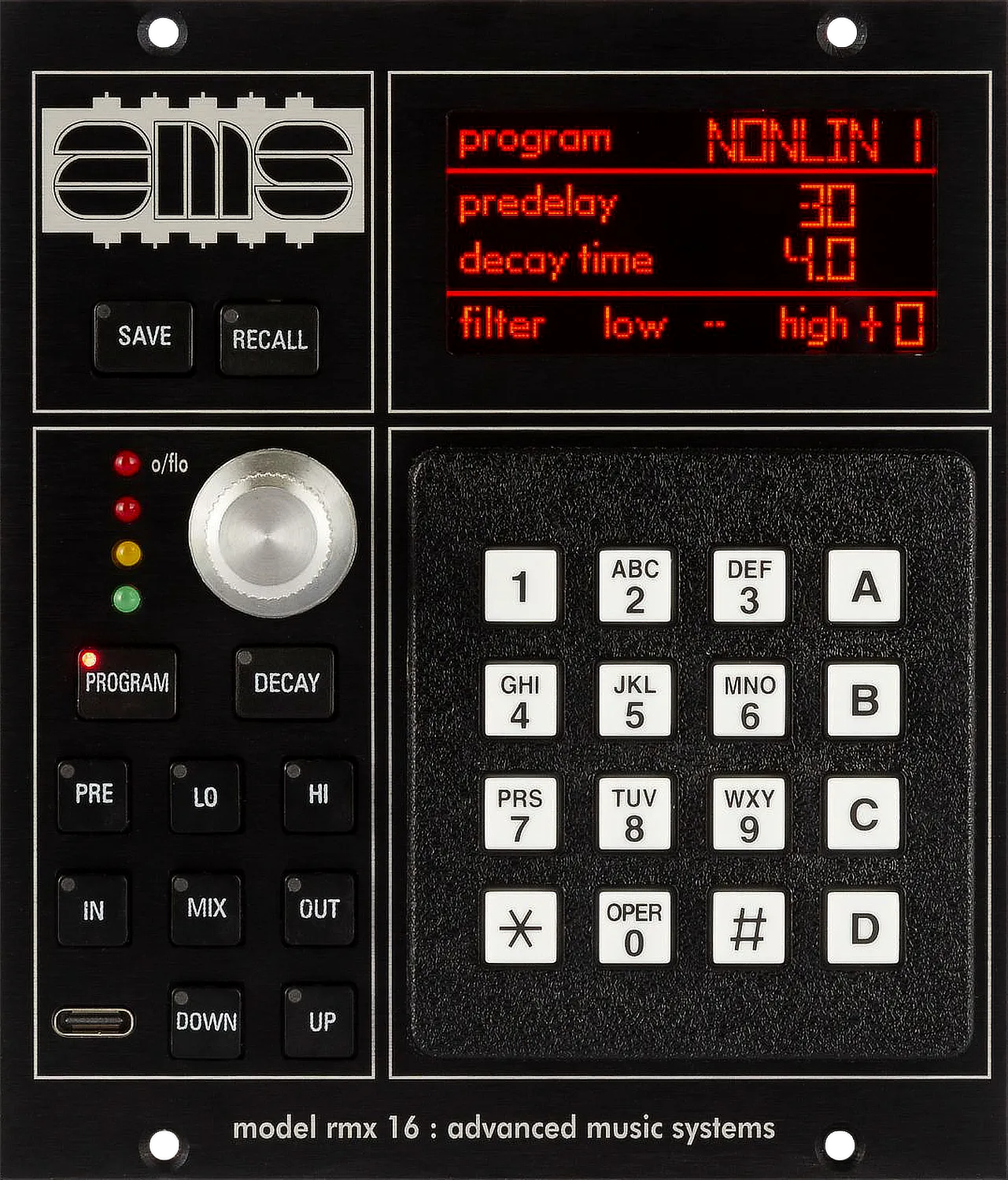
Digital reverb units transformed studio production by replacing physical echo chambers and mechanical plates with programmable signal processing. Emerging in the late 1970s with pioneering systems such as the EMT 250 and Lexicon 224, digital reverb quickly became central to professional mixing, post production and sound design. Its precision, recallability and compact form allowed engineers to create realistic rooms, halls and synthetic spaces without the physical limitations of acoustic environments.
Throughout the 1980s and 1990s, digital reverb units defined the sound of countless recordings. From early algorithmic processors to advanced convolution and hybrid systems, these devices shaped vocal ambience, drum spaces and spatial depth across genres. Today, both classic hardware and modern digital processors continue to influence studio workflows, bridging the heritage of vintage recording technology with contemporary production techniques.