Mastering

Mastering gear refers to the equipment and tools used in the audio mastering process, which involves preparing a final mix for distribution by enhancing its overall sound quality and ensuring it meets certain technical standards. Mastering gear can include hardware processors such as equalizers, compressors, limiters, and analog-to-digital converters, as well as software plugins that simulate the effects of these tools.

The gear is used to adjust the tonal balance, dynamic range, stereo image, and other aspects of the mix to achieve a polished and cohesive final product. Effective use of mastering gear requires a thorough understanding of both the equipment and the mastering process itself. An experienced mastering engineer will be able to use their gear to make subtle adjustments that enhance the mix without introducing unwanted artifacts or compromising the integrity of the original recording.

Decades
Made In Denmark
Released in 2013 /
Gyraf Audio G22 is an elaborated and dual’ified version of our venerable G10 vari-mu compressor. This incarnation allows it to be dual-mono, while still keeping a backwards-compatibility “G10 mode” where one set of knobs controls real stereo compression, like you’d want most of the time in mastering.
Made In U.K.
Released in 2014 /
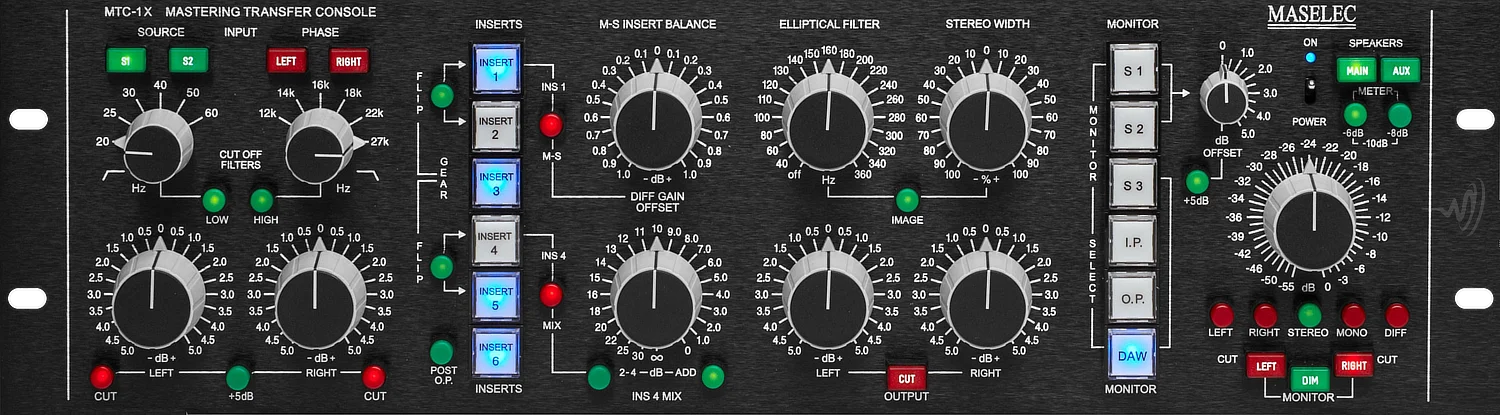
The Maselec MTC-1X Stereo Mastering Console measures 3 U height with a depth ‘behind panel’ of 260mm and 10kg weight.
Made In Poland
Released in 2014 /
“The IGS Tubecore is the finest mastering compressor ever created and it adds density and dimension to your mix in a magical way.”
Made In Germany
Released in 2015 /
As a mastering compressor, the SPL IRON is inspired by the legendary vintage tube compressors à la Fairchild, Collins or Gates and has been developed in a way to give modern productions more energy and power with the advantages of the 120V technology.
Made In U.S.A.
Released in 2015 /
The Burl Audio B26 Orca is the most highly evolved of all aquatic species. One who uses sonic superiority and harmony to dominate his environment, the ORCA is the APEX PREDATOR of all of the oceans of the Earth. Thriving off of the Island of VANCOUVER, pods of ORCAS silently stalk their prey, present just under the surface, listening, threatening.
Made In U.S.A.
Released in 2016 /
The Electronaut M97 is a modern take on an idea that has been evolving for 70 years — a triode amplifier with a variable amplification factor (expressed mathematically as ‘µ’ or ‘mu’), configured to provide dynamic range compression and limiting for high-quality audio.
Made In Germany
Released in 2016 /
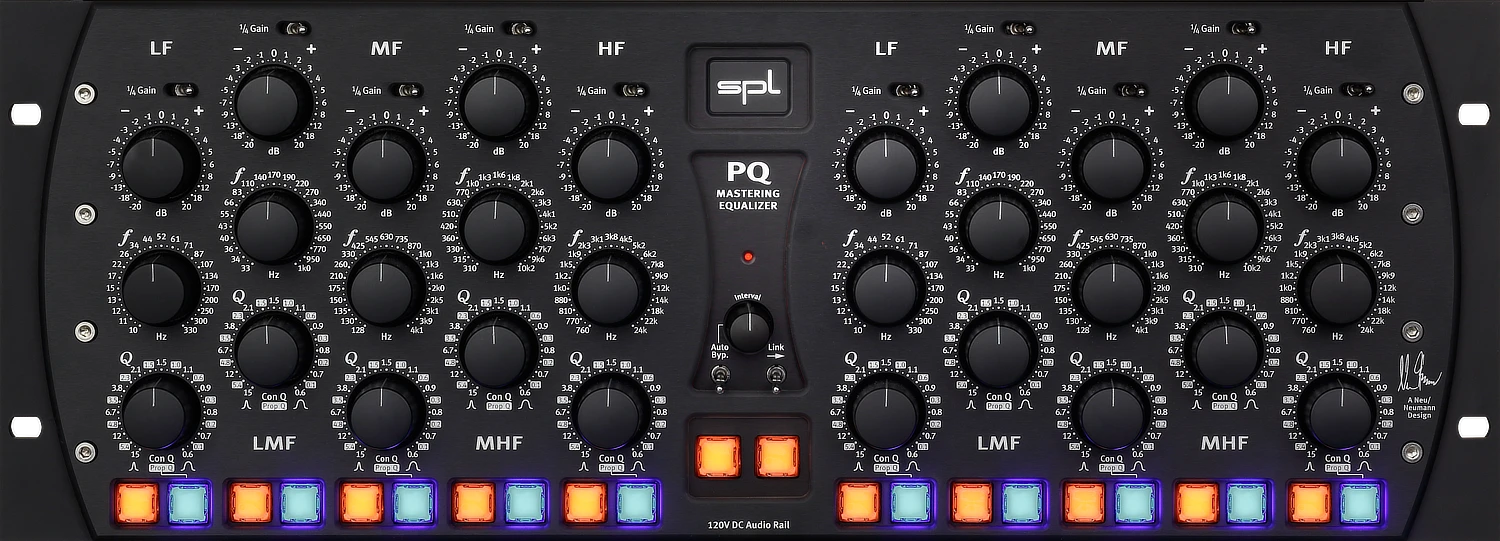
The SPL PQ is a unique equaliser, for several reasons. It has two times five fully parametric filter bands, each of which can be switched between constant Q and proportional Q! And there’s sheer unlimited headroom and a very special kind of EQ sound – thanks to 120V technology.
Made In U.S.A.
Released in 2016 /
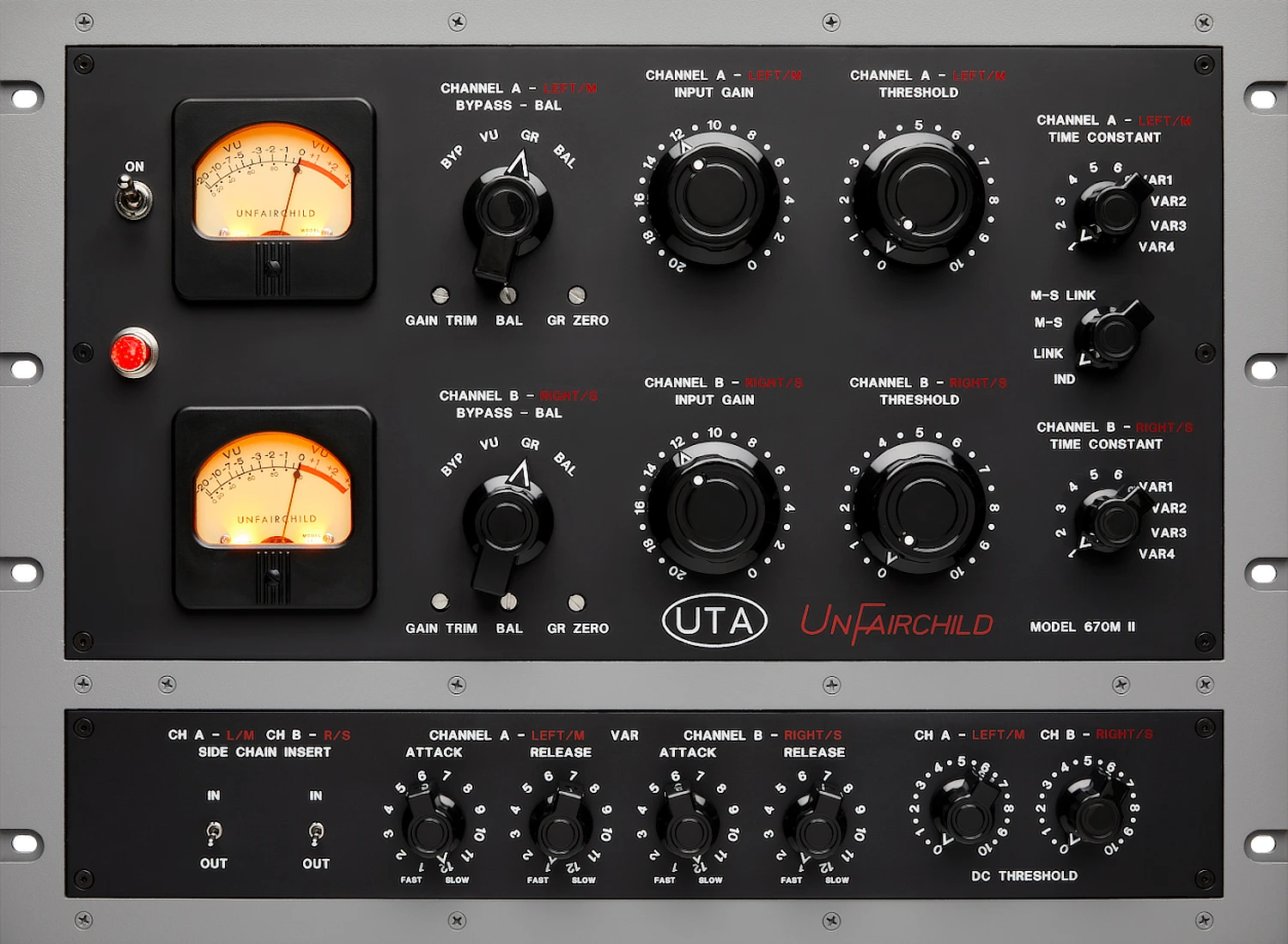
The Undertone Audio UnFairchild 670M II Compressor combines vintage warmth with modern precision. Rooted in the classic Fairchild 670, it offers rich harmonic saturation and exceptional dynamic control, making it a versatile tool for audio professionals.
Made In Germany
Released in 2016 /
The Tegeler Creme combines a passive EQ based on the Pultec principle and a high-end bus compressor in a single device.
Made In Finland
Released in 2018 /
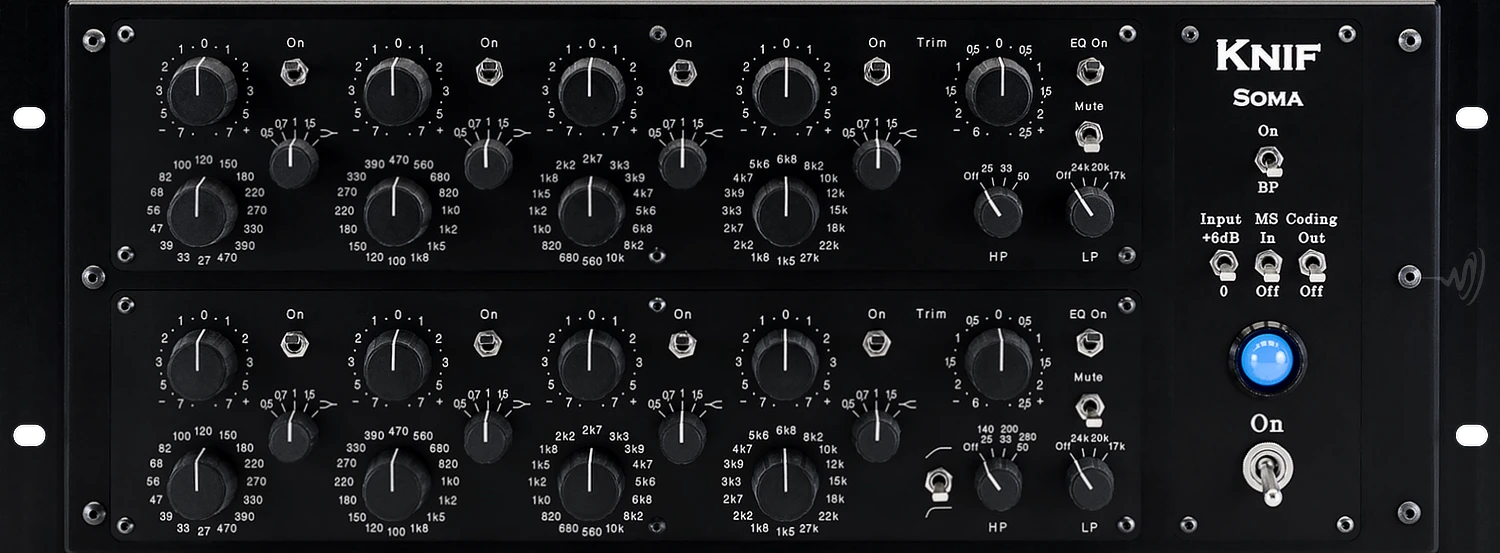
Soma is a clear departure from the old “passive EQs are for general shaping only” paradigm. It is the only commercially available passive EQ with real Q adjustment, which makes it more usable and accurate than other products which use only a resistor-based Q adjustment which affects boost/cut amount and does not offer a wide range.
Made In Germany
Released in 2018 /
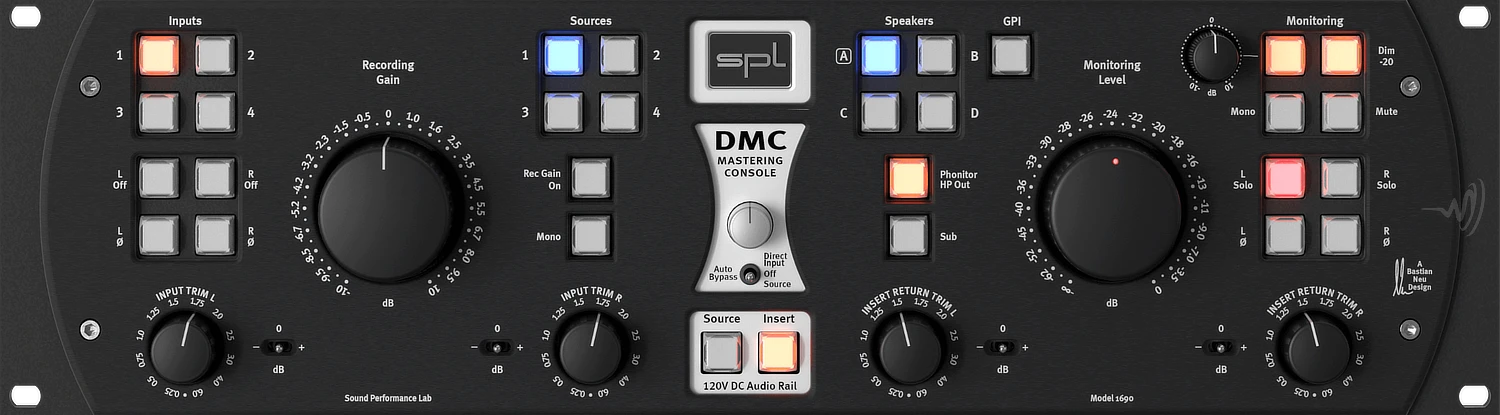
The SPL DMC is the heart of the mastering studio. The converters, the players, the DAW, the recorders and the speakers are connected to it. The audio quality of the console is therefore crucial. Like all devices of the mastering series, the DMC works on the unparalleled 120V technology.
Made In Germany
Released in 2018 /
SPL Hermes revolutionises mastering. Now it is possible to have an audio signal processed by up to eight 2-channel processors in any order that can be stored. At the push of a button, you can compare up to four complex processing chains.